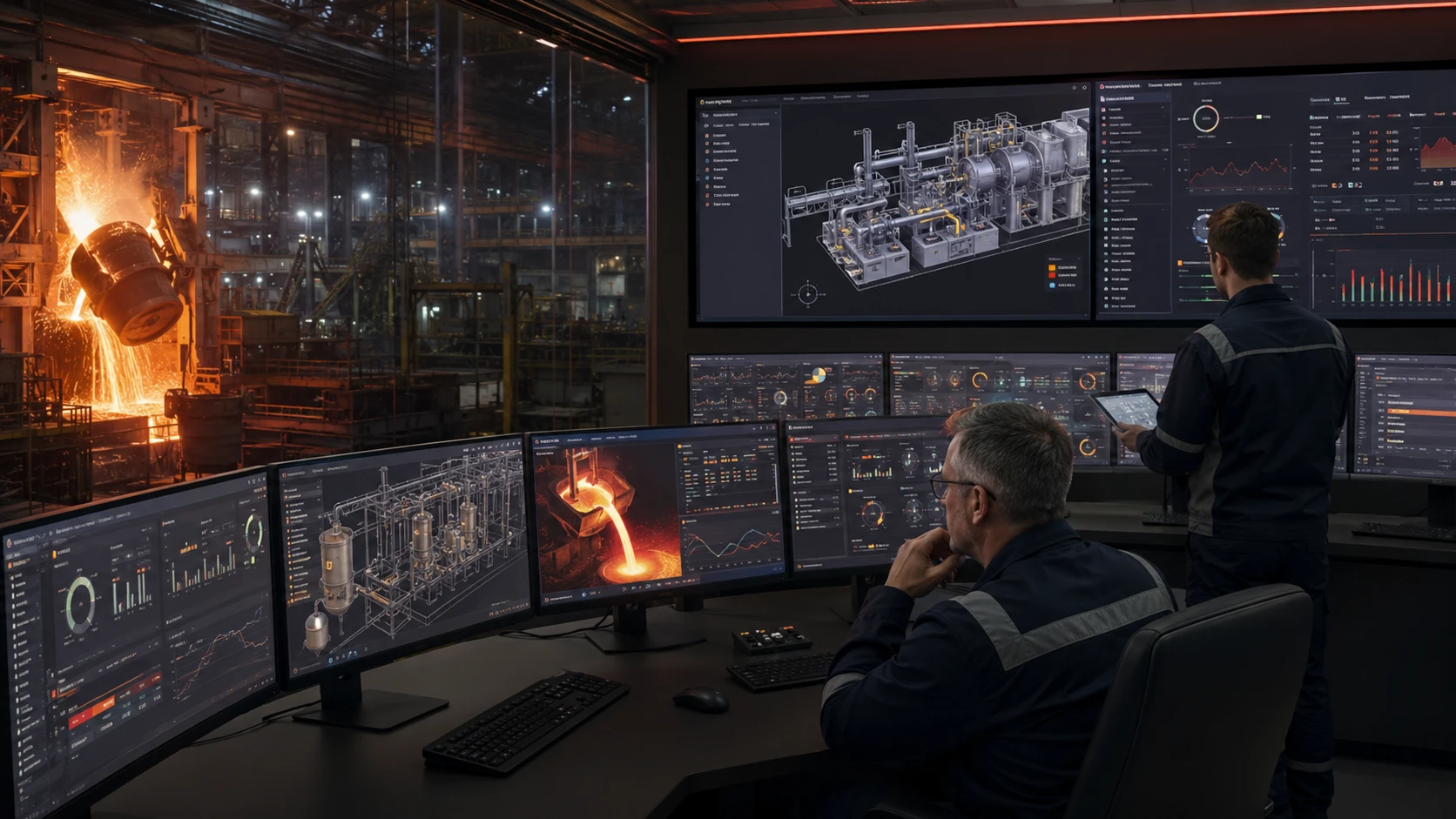
Virtual simulation laboratory
Model Demo Hub
Explore engineering models for ironmaking, steelmaking, refining, casting and ferroalloy operations. The portfolio combines first-principles balances, thermochemistry, process kinetics and plant-data intelligence.
Purpose of the demo library
Make metallurgical process behaviour visible, testable and actionable
The model library is intended to demonstrate how process knowledge can be translated into transparent engineering calculations and decision-support tools.
Each model can be used as an offline engineering simulator, a training environment, a scenario-analysis tool or the starting point for a plant-specific digital twin. The implementation depth depends on the available process data, instrumentation, operating practice and desired decision frequency.
Unlike a generic dashboard, the models are structured around metallurgical states: material inventories, elemental balances, energy flows, reaction progress, gas evolution, slag behaviour, product quality and operating constraints.
Physics first
Mass, elemental and heat balances provide an auditable calculation backbone.
Plant calibrated
Parameters and empirical corrections are tuned using reliable historical or live data.
Scenario ready
Operators and engineers can compare alternative charges, set-points and operating strategies.
Decision focused
Outputs are organized around actions that influence quality, yield, energy, cost and emissions.
Available model families
Digital twins across ferrous and non-ferrous metallurgical operations
Use the filters to review the relevant process group. Detailed technical descriptions are available in the local digital-twin portfolio page.
 Primary steelmaking
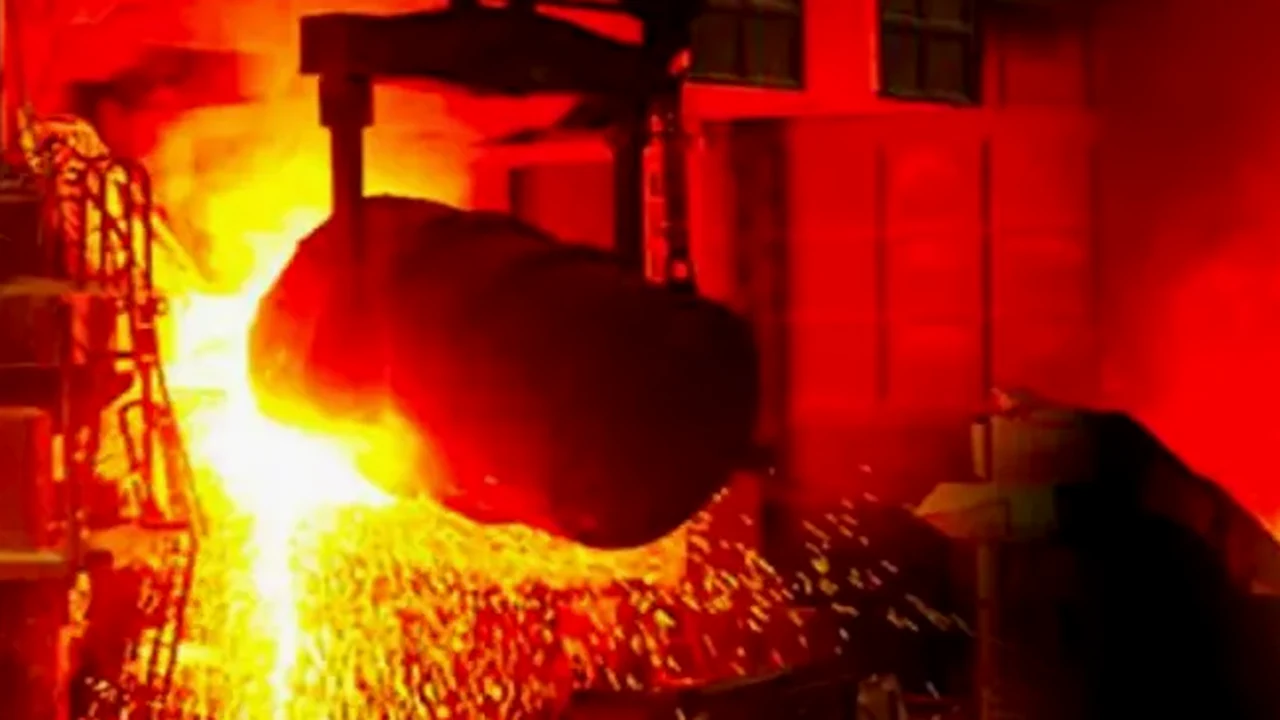
Basic Oxygen Furnace
01Dynamic simulation of oxygen blowing, scrap melting, slag formation and coupled slag–metal–gas reactions through the heat.
Model inputs
- Hot metal, scrap and fluxes
- Lance and stirring practice
- Initial chemistry and temperature
Key outputs
- Bath chemistry and temperature
- Slag mass and composition
- Gas evolution and endpoint
 Primary steelmaking
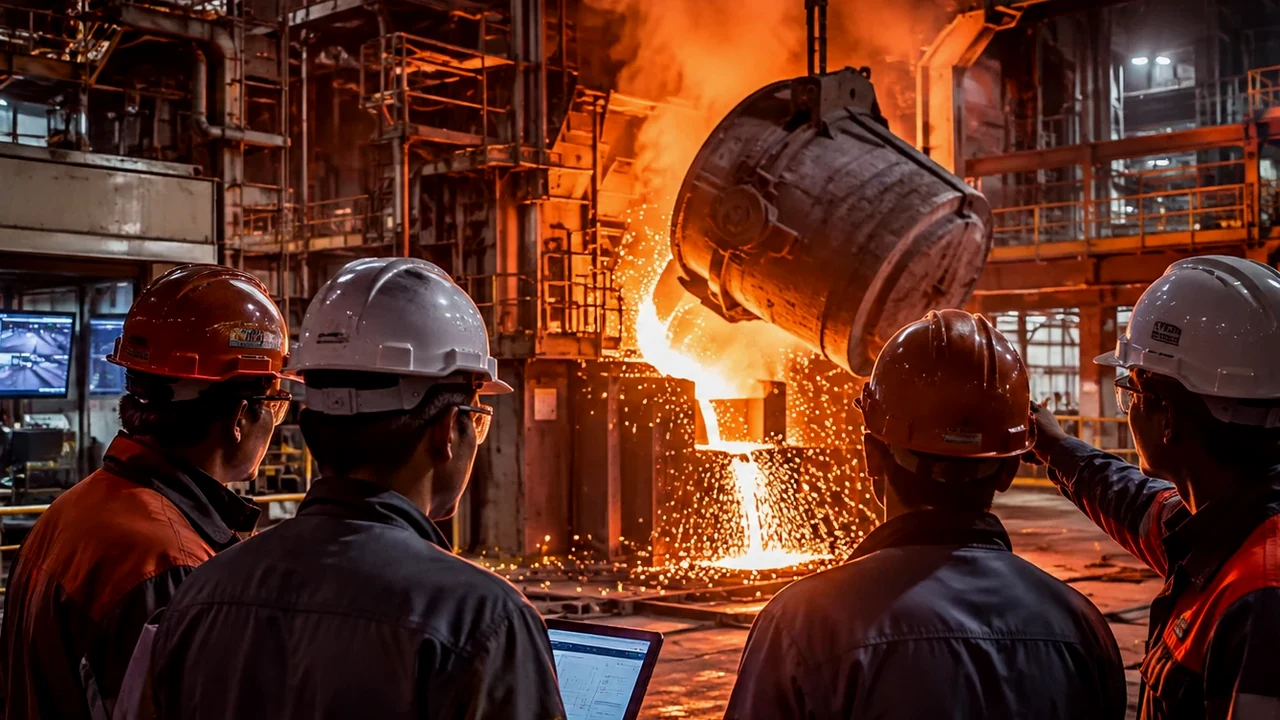
Electric Arc Furnace
02Time-resolved model for scrap and DRI melting, electrical and chemical energy, oxygen, burners, carbon injection and foamy slag.
Model inputs
- Scrap/DRI charge mix
- Power, oxygen and burner profiles
- Flux and carbon additions
Key outputs
- Metal and slag evolution
- Specific energy and yield
- Tap time and temperature
 Primary steelmaking
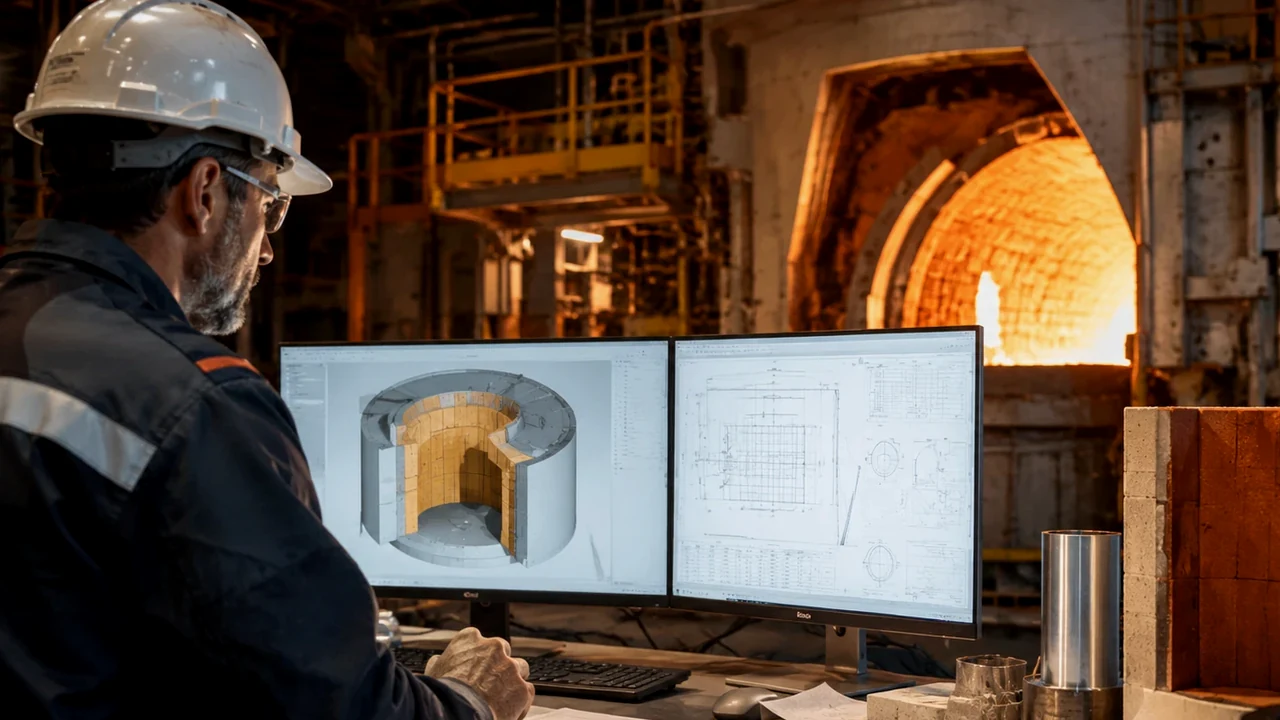
Induction Furnace
03Configurable melting and composition-control model for charge sequencing, electrical efficiency, alloy recovery, slag practice and grade achievement.
Model inputs
- Scrap, DRI and pig iron mix
- Power and additions schedule
- Target grade constraints
Key outputs
- Melting and temperature history
- Final chemistry and recovery
- Energy, slag and metallic yield
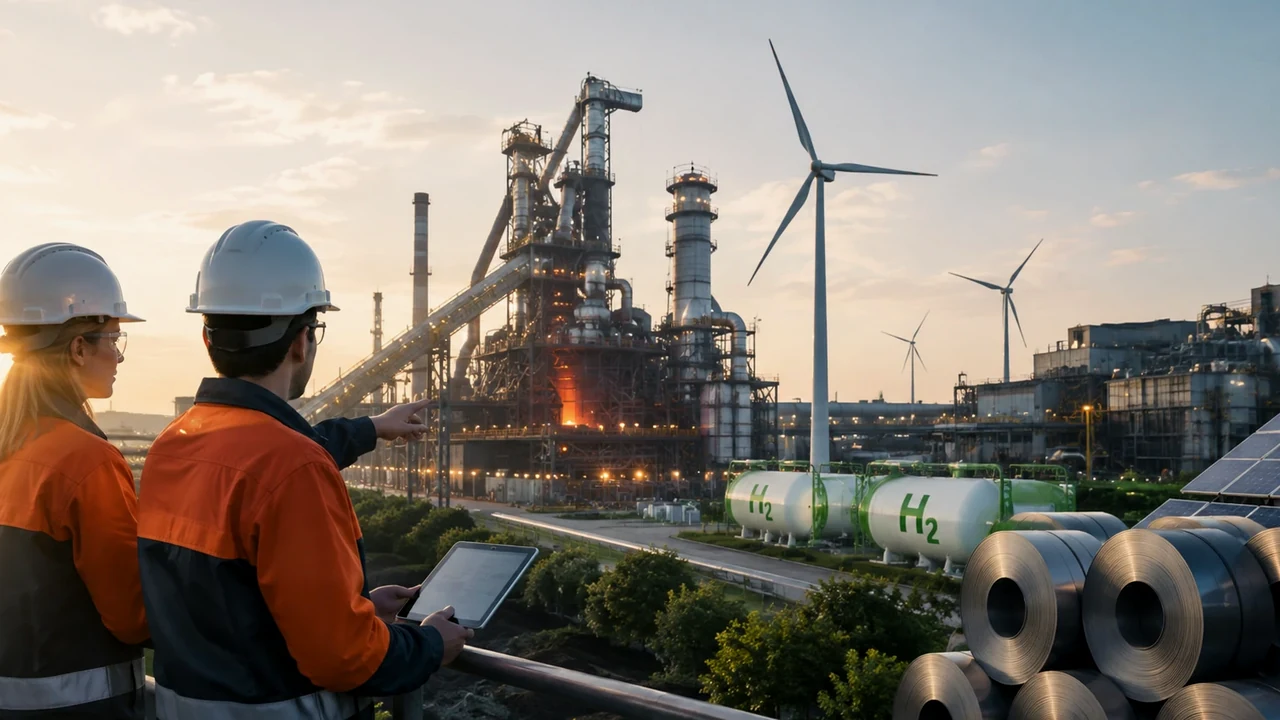 Direct reduction
MIDREX Direct Reduction
04Counter-current shaft-furnace model for ore reduction, reducing-gas utilization, carbon reactions, product metallization and plant heat balance.
Model inputs
- Ore feed and chemistry
- Gas flow, composition and temperature
- Natural gas/COG/H₂ scenarios
Key outputs
- DRI rate and metallization
- Exit gas and utilization
- Heat and gas requirement
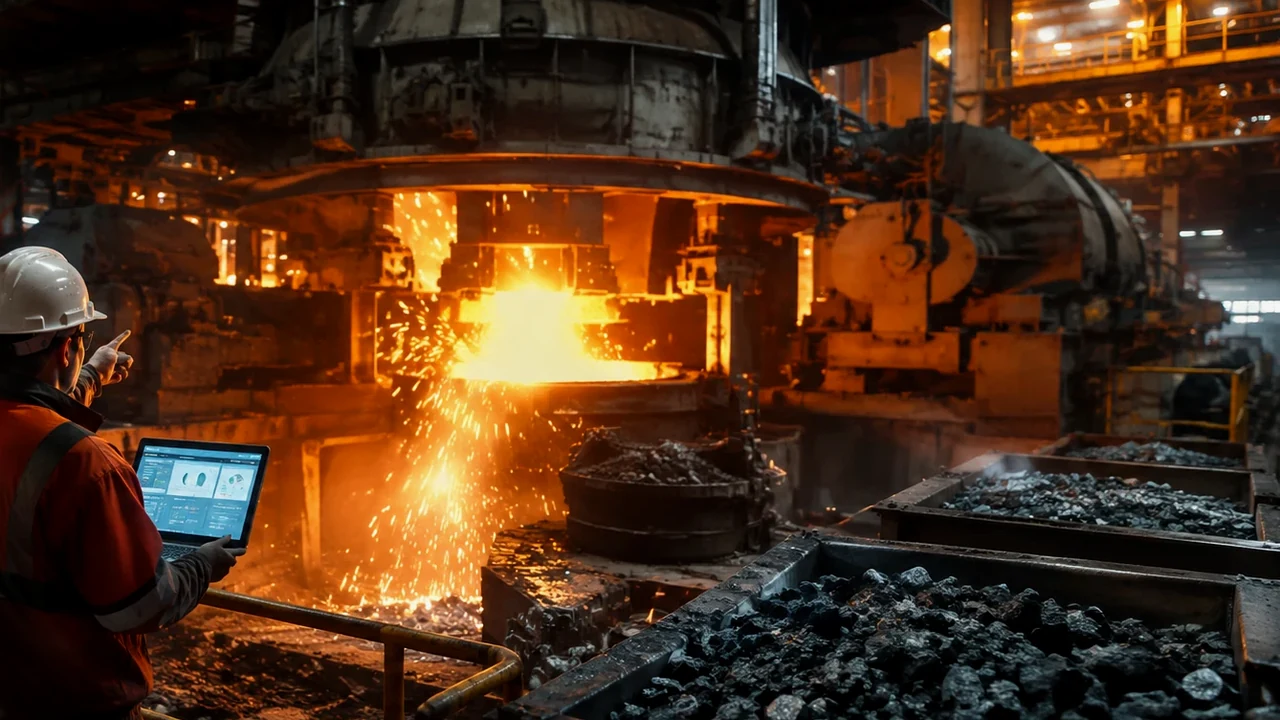 Smelting reduction
COREX Process
05Integrated reduction-shaft and melter-gasifier representation for ore reduction, coal gasification, hot-metal production and export-gas generation.
Model inputs
- Ore, coal, coke and oxygen
- Reduction and gasification conditions
- Hot-metal quality targets
Key outputs
- Hot metal and slag rate
- Export-gas flow and quality
- Fuel and oxygen requirement
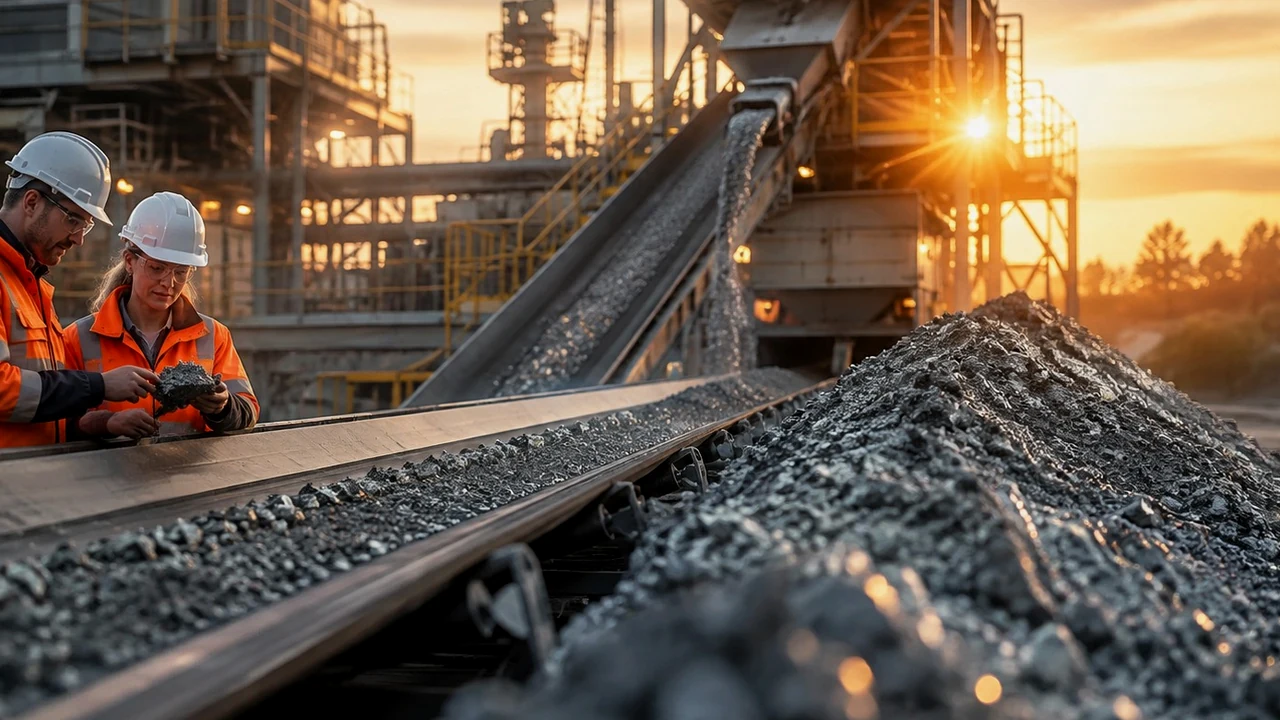 Ironmaking
Blast Furnace
06Process-performance model for burden descent, gas–solid reactions, raceway energy, cohesive-zone behaviour, hot-metal quality and fuel-rate optimization.
Model inputs
- Burden, coke and PCI practice
- Blast, oxygen and moisture
- Raw-material properties
Key outputs
- Fuel rate and productivity
- Hot-metal chemistry/temperature
- Top-gas and thermal indicators
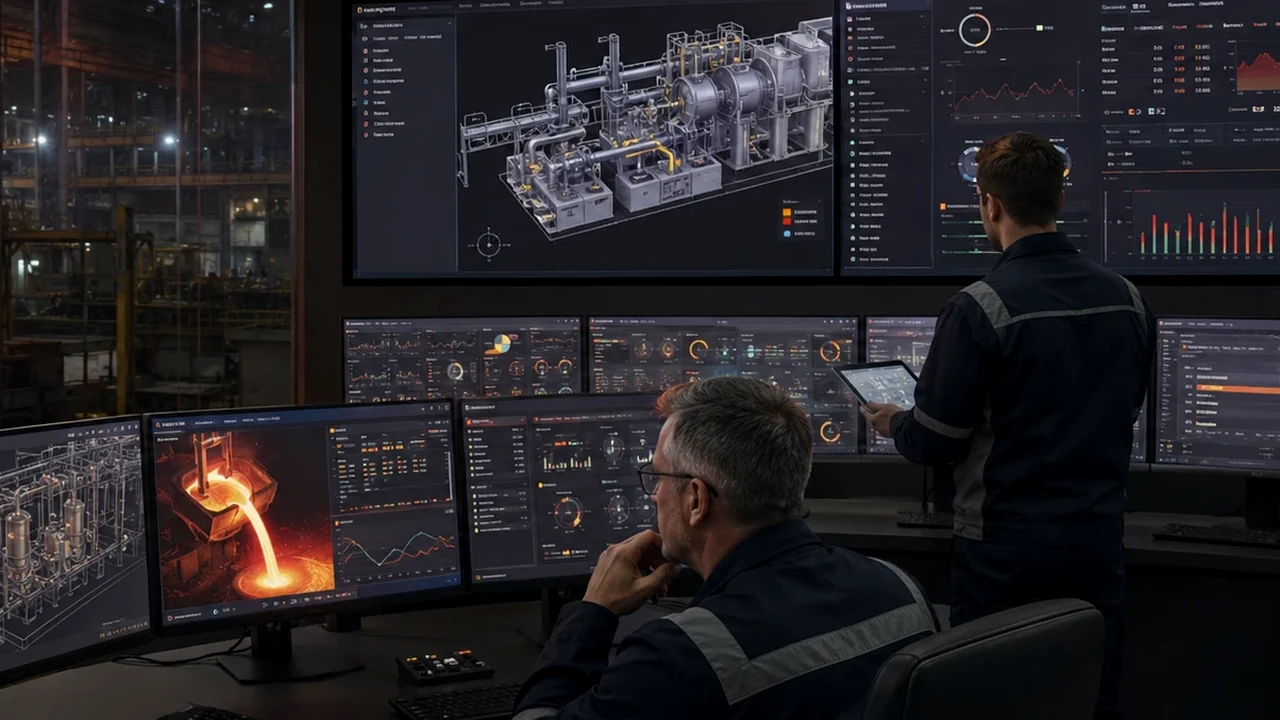 Secondary metallurgy
Ladle Furnace
07Thermal and chemistry model for electrical reheating, alloy and flux additions, slag–metal reactions, inclusion control and final grade adjustment.
Model inputs
- Incoming steel and slag state
- Power, stirring and additions
- Target chemistry and temperature
Key outputs
- Thermal trajectory
- Alloy recovery and final chemistry
- Slag condition and treatment time
Vacuum refiningRH Degassing
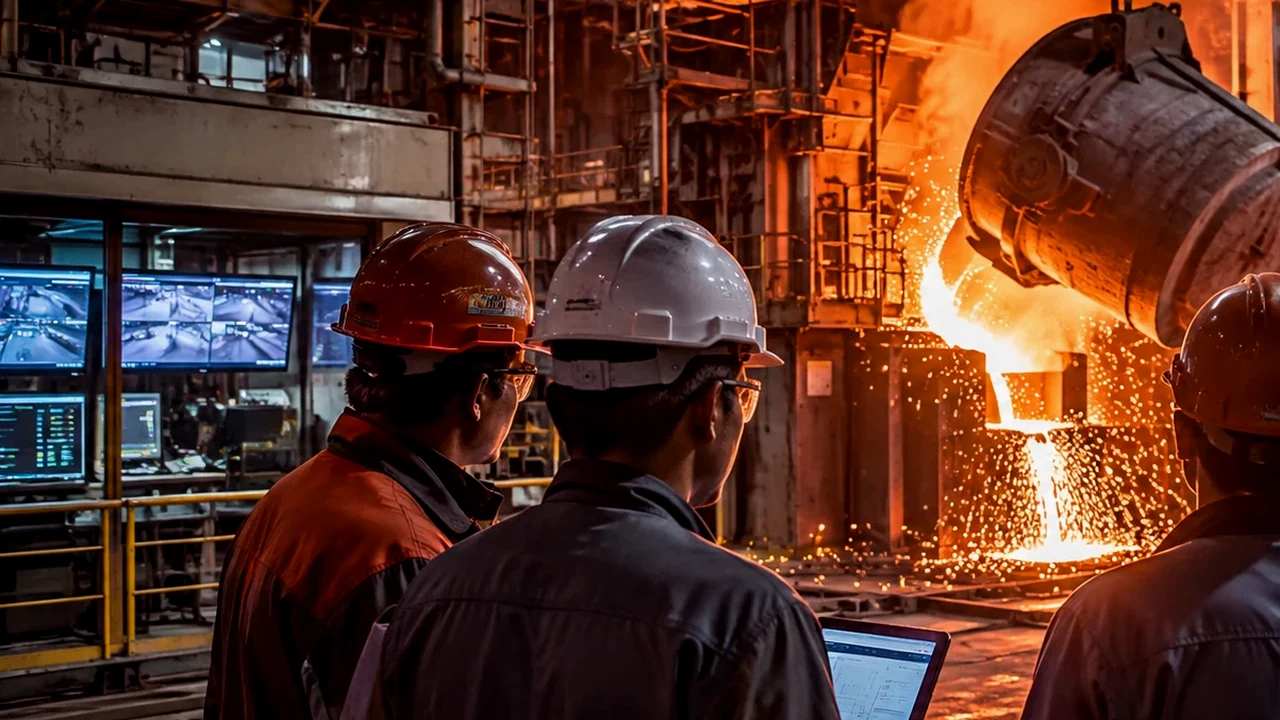
08Circulation and reaction model for vacuum decarburization, hydrogen and nitrogen removal, thermal losses, alloy additions and treatment endpoint.
Model inputs
- Initial steel chemistry/temperature
- Vacuum and argon practice
- Vessel geometry and additions
Key outputs
- C, H and N trajectories
- Circulation and mixing indicators
- Temperature loss and treatment time
 Continuous casting
Continuous Casting
09Thermal and solidification model for tundish-to-mould conditions, shell growth, secondary cooling, metallurgical length and quality-risk assessment.
Model inputs
- Steel grade and superheat
- Casting speed and section
- Mould and spray cooling
Key outputs
- Shell thickness and temperature
- Solidification endpoint
- Breakout and defect-risk indicators
 Ferroalloys
Submerged Arc Furnace
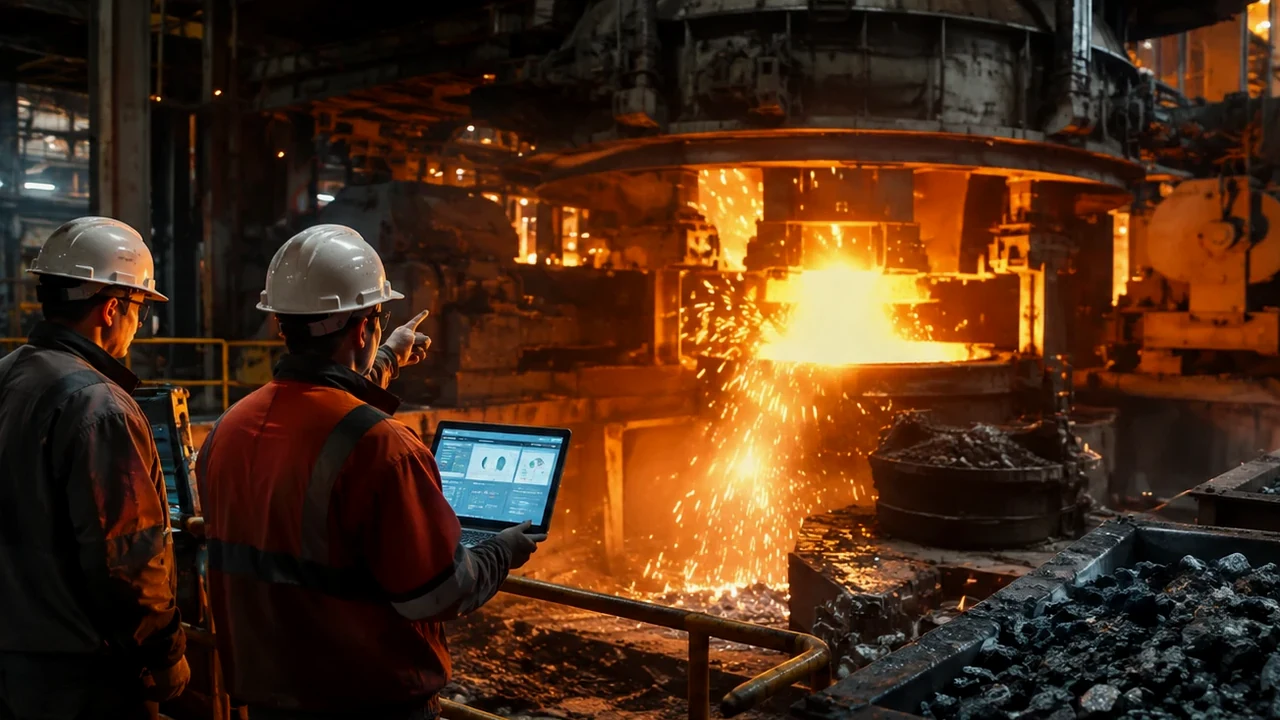
10Charge, electrical, reaction and tapping model for ferrochrome, ferromanganese and silicomanganese operations with recovery and slag control.
Model inputs
- Ore, reductant and flux mix
- Electrical and electrode practice
- Target alloy and slag chemistry
Key outputs
- Alloy yield and recovery
- Slag mass/composition
- Energy and reductant requirement
 Primary aluminium
Hall–Héroult Aluminium Smelting
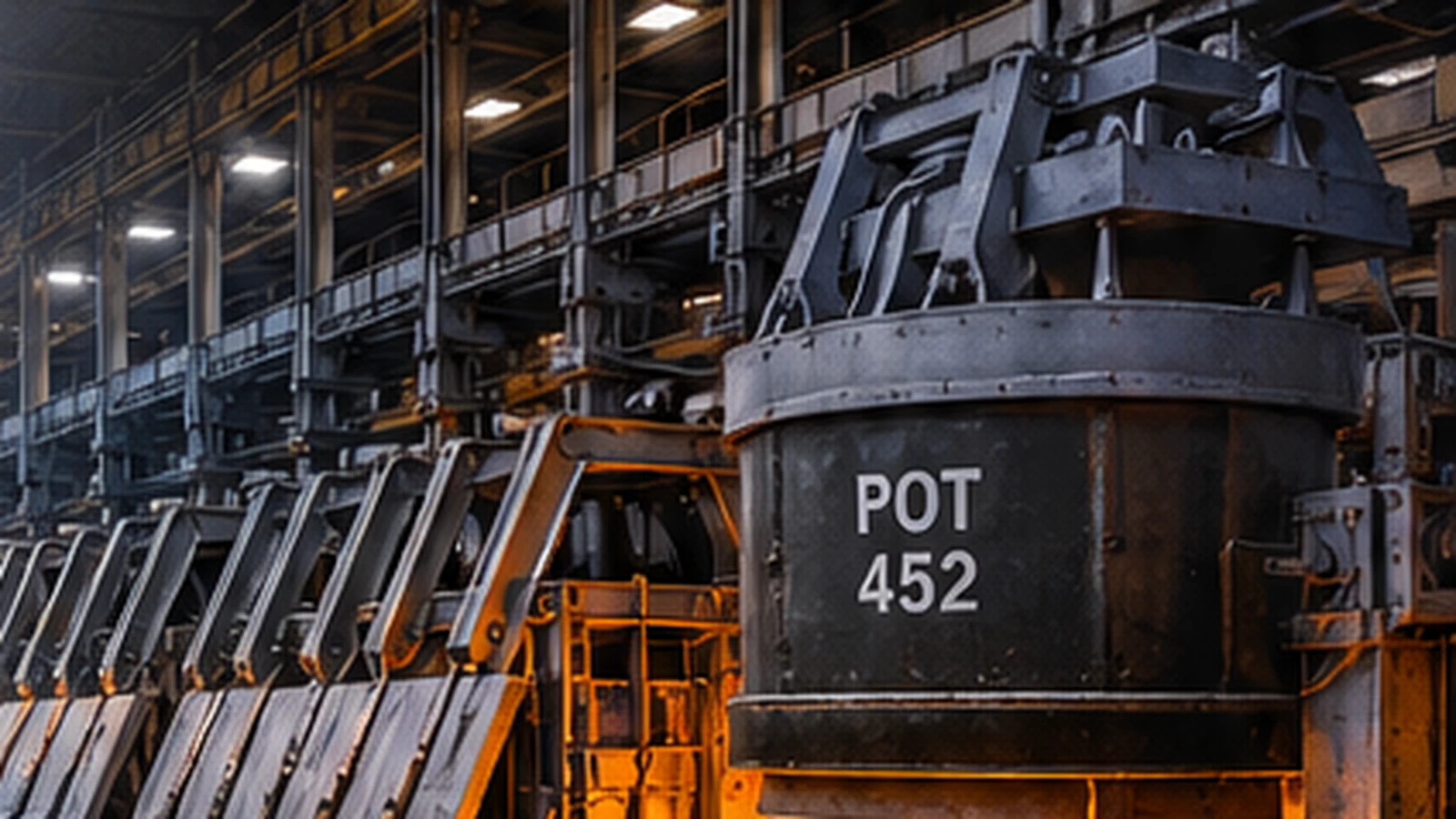
11A reduction-cell digital twin linking Faraday production, cell-voltage components, alumina inventory, ACD/resistance, heat balance, current efficiency and abnormal-condition risk.
Model inputs
- Cell voltage/current and pot events
- Alumina feeding, tapping and anode moves
- Bath/metal analyses and temperature
Key outputs
- Soft-sensed alumina and ACD state
- Thermal and energy indicators
- Anode-effect risk and operator guidance
 Sintering
Iron Ore Sintering
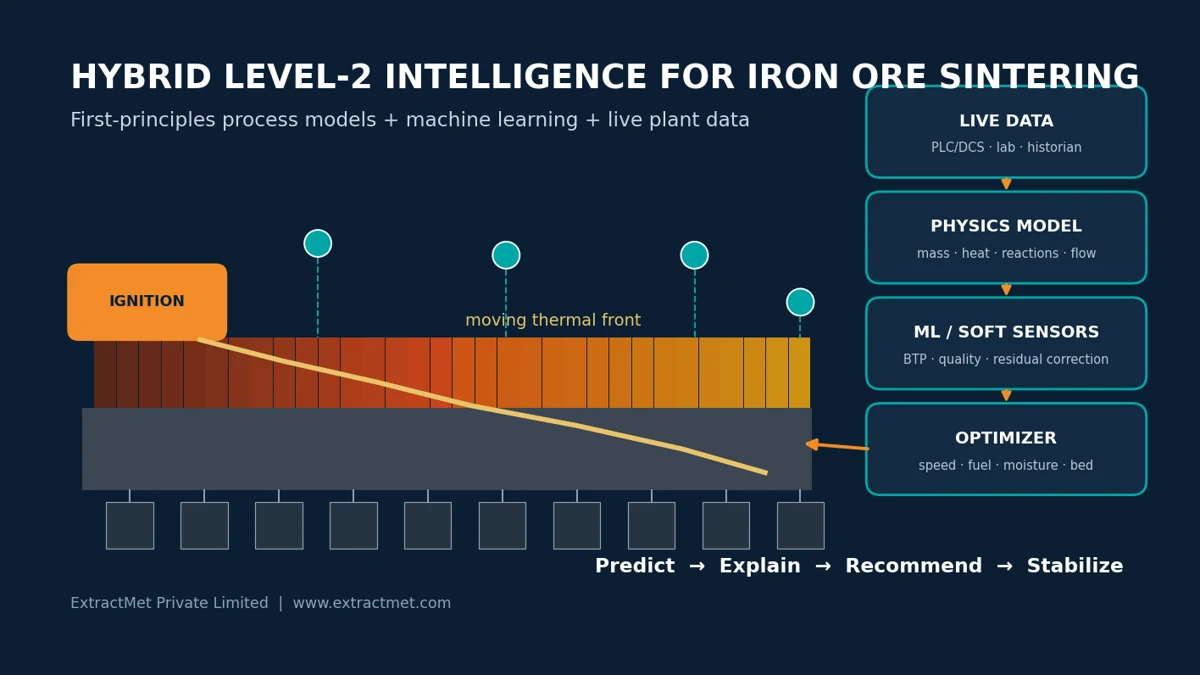
12A hybrid digital twin for bed preparation, gas-flow/permeability behaviour, thermal-front progression, burn-through point, strand productivity and sinter-quality guidance.
Model inputs
- Blend, return fines and coke breeze
- Moisture, bed height and strand speed
- Ignition and suction conditions
Key outputs
- BTP and thermal-state prediction
- Productivity and fuel indicators
- Quality and operating guidance
Local model library
Explore the complete Model Demo Hub
This locally hosted page provides an attractive, structured catalogue of metallurgical process models, supported by technical descriptions, application areas, model inputs, predicted outputs and plant-demo enquiry options.
Typical demonstration workflow
From operating inputs to an auditable recommendation
Define the case
Select the process, plant configuration, material inputs and operating objective.
Run the model
Calculate mass, elemental and heat balances together with process-specific reactions.
Inspect trajectories
Review temperatures, compositions, phase inventories, energy use and predicted endpoints.
Compare decisions
Evaluate alternate charges, set-points, timings and practices against quality and cost constraints.
Deployment note: These demonstrations illustrate the modelling approach. A production-grade implementation requires plant-specific data mapping, validation, access control, cybersecurity review, operator-interface design and agreed performance acceptance criteria.
Turn a demonstration into a plant-specific digital twin
Begin with one measurable decision problem—endpoint accuracy, energy consumption, yield, gas utilization, treatment time, quality stability or emissions—and validate the model against your operating data.